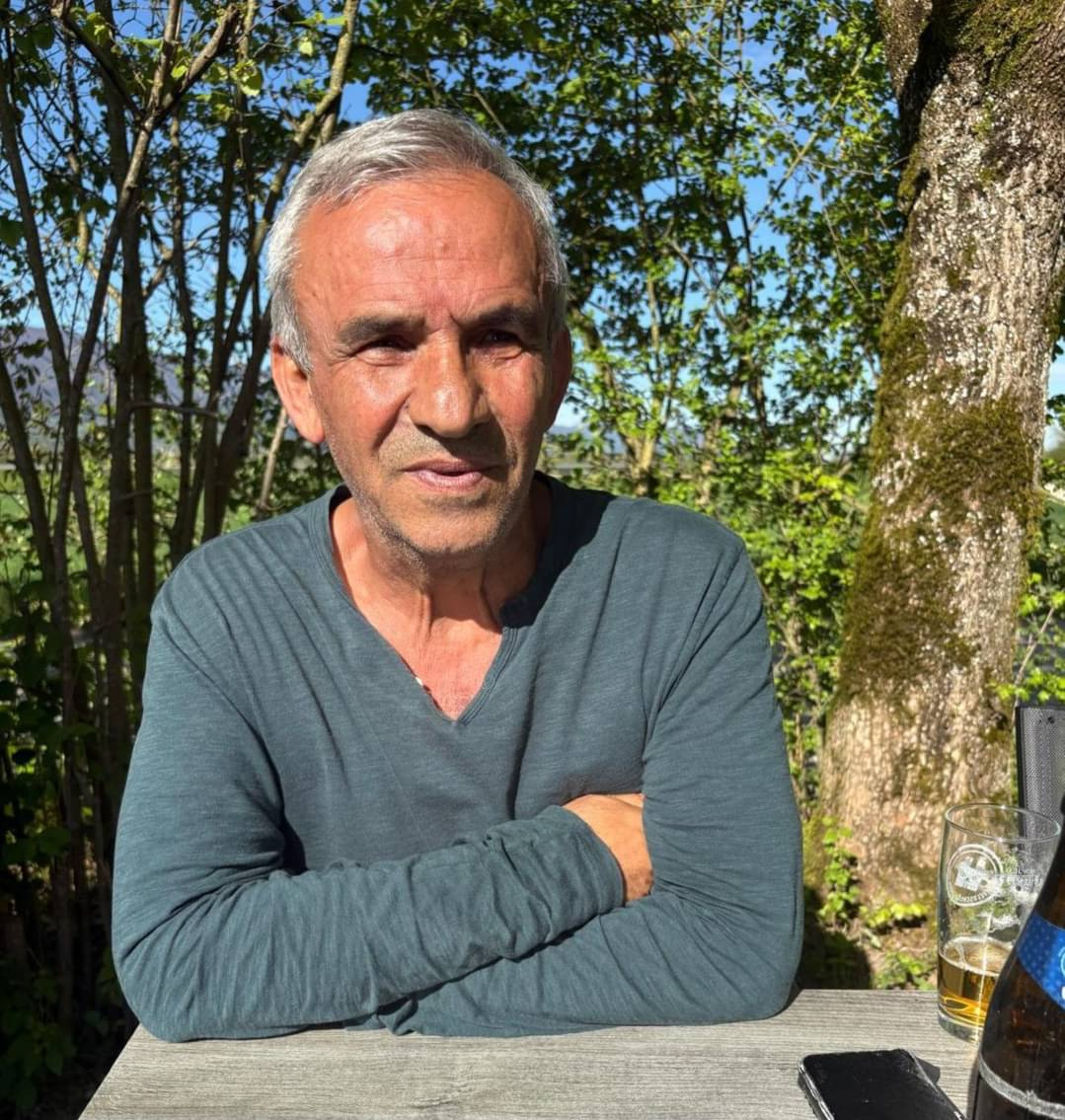
Mohim Sarkhosh
President of the United States of America, Mr. Trump
Prime Minister of Israel, Mr. Netanyahu
Secretary-General of the United Nations, United Nations Human Rights Council, European Union, Parliaments of democratic countries, and relevant international institutions
Subject: Warning Regarding the Risk of Imposing a New Dictatorship in Iran and the need of Recognizing the Country’s Multinational Structure
Excellencies,
Iran stands at a critical juncture in its history. As discussions surrounding power transition and regime change expand—particularly in the wake of recent military developments and rising regional tensions—there exists a serious risk of reproducing an authoritarian system with a different face but the same centralized and single-national structure. Should such a scenario materialize, the danger of civil war, fragmentation, and widespread instability will increase significantly.
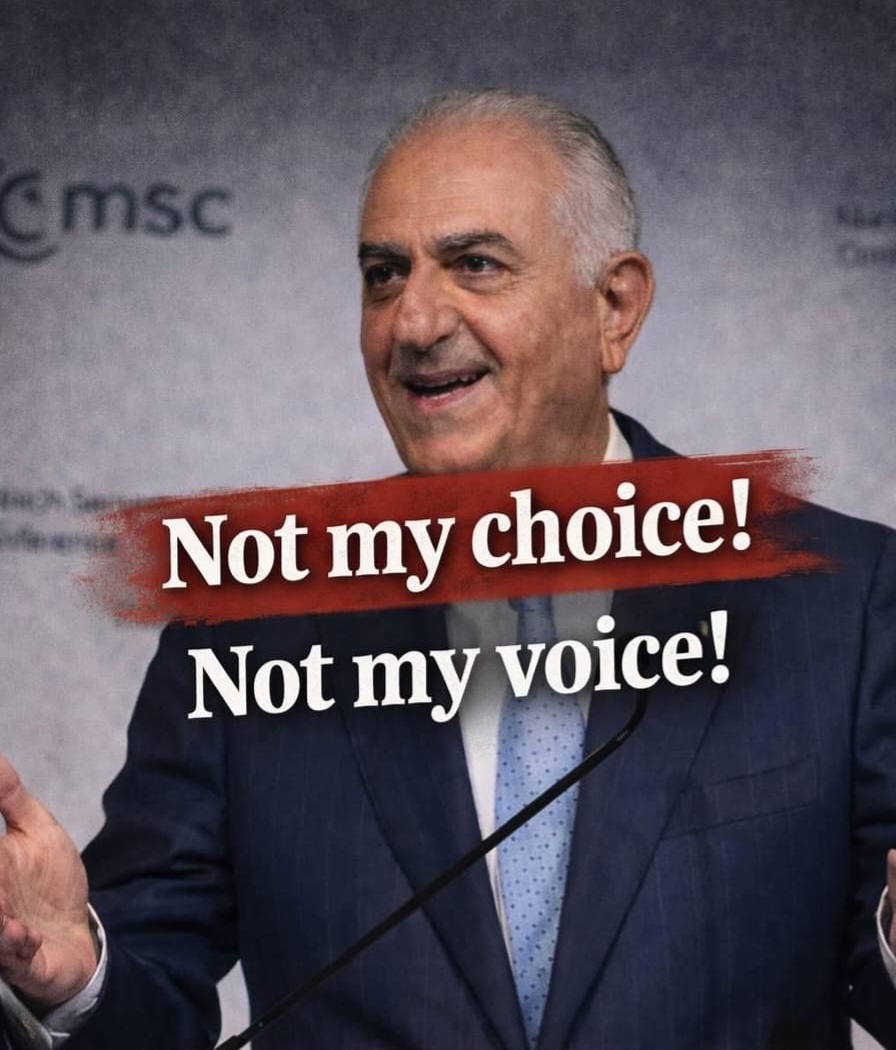
Reza Pahlavi, as the heir of the Pahlavi dynasty whose record is intertwined with authoritarian centralism, cannot in any way be considered an acceptable alternative for us, the oppressed and non-Persian nations within the framework of Tehran’s rule.
According to the Charter of the United Nations and the International Covenant on Civil and Political Rights, all peoples have the right to self-determination. This principle is a fundamental rule of international law and cannot be ignored.
Iran is a country composed of diverse nations, including the Baloch, Kurds, Lurs, Turks (Azerbaijanis), Arabs, Gilaks, Turkmen, and other peoples, each possessing distinct historical, linguistic, and cultural identities. Ignoring this reality and attempting once again to impose a centralized structure based on the supremacy of a single identity will not create stability; rather, it will lay the groundwork for profound crises and internal conflicts.
Historical experience has demonstrated that extreme centralization and forced assimilation policies have deepened national divisions. Any project of power transition designed without the genuine and equal participation of representatives of the non-Persian nations will, in practice, reproduce authoritarianism.
We emphasize that:
First, the future structure of Iran must be founded upon the formal recognition of the country’s multinational character.
Second, the right of peoples to self-determination must be guaranteed.
Third, the process of power transition must be inclusive and based on full national equality.
Fourth, the future political alternative must be a genuine combination of representatives of different nations, not a reproduction of the hegemony of a single current or identity.
We call upon the international community—particularly the United States of America, the European Union, and other influential international actors—to act responsibly regarding the protection of civilians in national regions such as Balochistan, Kurdistan, and Al-Ahwaz.
In circumstances where there is a risk of escalating military confrontation and harm to residential areas, the establishment of international mechanisms for the protection of civilians is an urgent necessity. These mechanisms may include international monitoring, the deployment of fact-finding missions, diplomatic pressure to halt attacks against civilian areas, and ensuring compliance with international humanitarian law. Declaring a no-fly zone over the skies of Balochistan, Kurdistan, and Al-Ahwaz—similar to what was implemented in the Kurdistan Region during the Iraq war—is a very important necessity, which we request from the United States, Israel, and their partners.
Historical experiences have shown that establishing international protective arrangements for vulnerable regions can prevent humanitarian catastrophes and provide peoples with the opportunity to decide their political future in a secure environment.
Our objective is not to escalate conflict, but to guarantee the safety of the people and to create conditions in which different nations can decide their own destiny without military threats.
Ignoring the Baloch, Kurds, Lurs, Turks, Arabs, Gilaks, Turkmen, and other peoples will push the country toward instability and the possibility of widespread conflict.
Sustainable peace is only possible through justice, equality, and the genuine participation of all nations.
Respectfully,
Mohim Sarkhosh – Baloch
Secretary General, Balochistan Ntional Solidarity Party(Balochistan Raji Topaki Gal)
Date: February 28, 2026
Contact Information:
Email: Mohim.sarkhosh@gmail.com
CellPhone: +46793394063