A Geopolitical Analysis
Introduction
Syria remains a focal point of intricate geopolitics, where regional and global powers jostle for influence. Beyond the headlines, there exist untold strategies and machinations shaping the region. This article unpacks a sequence of interwoven plans that highlight the strategic intentions of key players like Britain, Turkey, and the European powers. It also delves into the implications for the Kurdish population, resource control, and the shifting regional balance of power.
Outline of Key Points
1. Britain’s Plan and Turkey’s Role
The expulsion of Russia from Syrian affairs was not an organic development but a calculated British plan. Turkey was selected as the operational executor to achieve this objective. This underscores the intricate web of alliances and rivalries influencing the region.
2. The Kurdish Question and Resource Corridors
A pivotal element of this plan revolves around the Kurdish population in Bashur and Rojava Kurdistan. Positioned along strategic oil and gas pipeline routes, their presence is viewed as a geopolitical obstacle. The Turkish strategy, in alignment with British interests, envisions the suppression of Kurdish autonomy through military campaigns, effectively turning these regions into zones of control over valuable resources.
3. The Trump Era and Middle East Realignment
A significant shift in the Middle Eastern power dynamics was marked by Trump’s presidency. His administration sought agreements with Russia over Ukraine and Iran, aiming to dislodge British and European influence from the region. However, unless these agreements are fully realized, longstanding geopolitical structures, particularly in Syria and Iran, are unlikely to undergo transformative change.
4. Israel’s Strategic Advantage
Under these plans, Israel is set to enjoy two decades of security along its borders. The elimination of nearby threats and potential territorial expansion serve as a testament to the alignment of European and Israeli strategic interests.
5. The Iranian Deception and Kurdish Role
Iran’s political landscape remains under the covert influence of British strategies. By orchestrating a superficial regime change to a monarchy under Reza Pahlavi’s guise, Britain seeks to maintain control. Whenever the Iranian regime teeters on collapse, Britain strategically deploys Turkey to suppress Kurdish ambitions, ensuring Iran’s colonial grip on Kurdistan remains intact.
6. European Interests in Resource Exploitation
The triad of European powers—Britain, Germany, and France—relies heavily on resource theft from Iran and the Kurdish regions, particularly Sulaimaniyah. The speed with which these nations reestablished diplomatic ties in Damascus highlights their intent to preserve the Sykes-Picot framework for resource exploitation.
7. Refugee Repatriation and Demographic Pressures
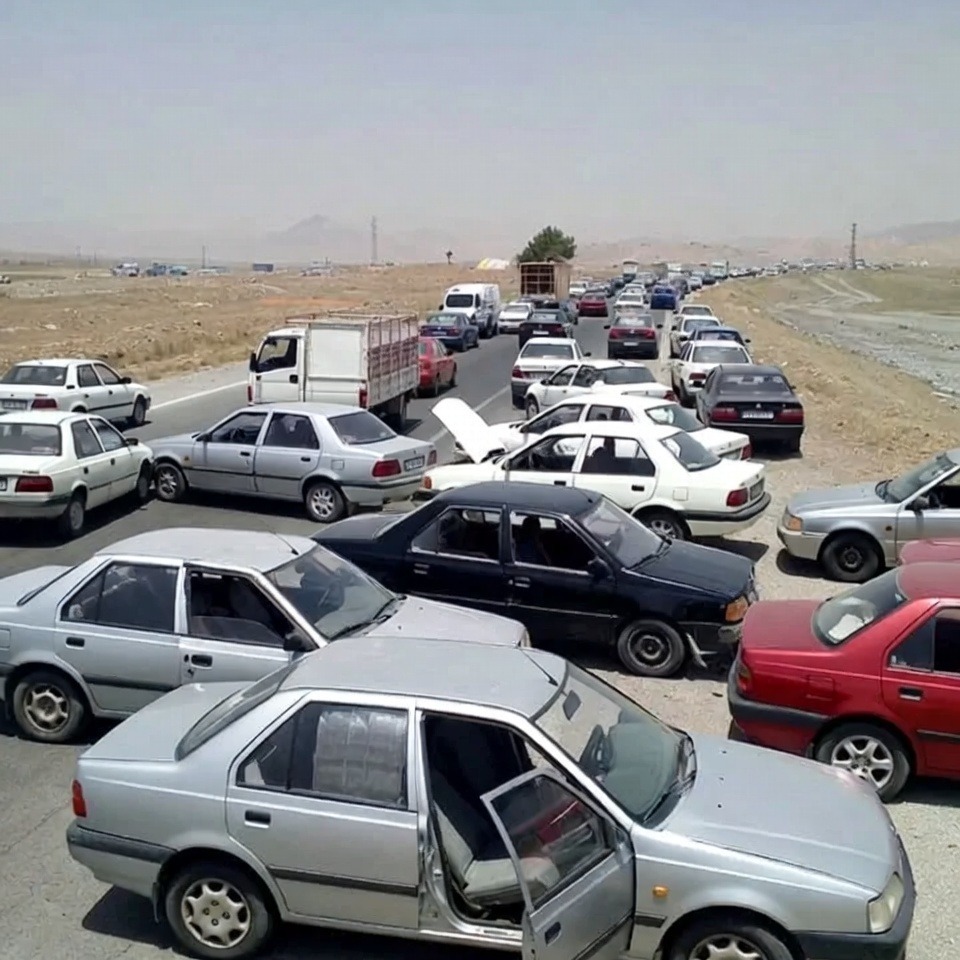
The European agenda of forcibly repatriating Syrian refugees to unstable regions exacerbates the humanitarian crisis. Overpopulation in conflict zones is intended to hinder democratization efforts by Russia and the United States, ensuring that Syria remains a fragmented state conducive to European interests.
8. Control of Energy Routes
The rapid conquest of Damascus and the opening of European embassies underline a broader strategy to dominate regional energy corridors. Plans to export gas from Qatar and Iran through Turkey to Europe are emblematic of this approach, aligning with the interests of figures like Abu Sharia al-Julani, who operates as a European proxy.
9. Superficial Changes vs. Structural Transformation
Despite apparent regime changes in Syria, Iraq, and Iran, the lack of institutional transformation ensures continued European plunder. Freedom, democracy, and genuine structural reform are sidelined to maintain the status quo of exploitation.
Conclusion: The Call for Kurdish Unity
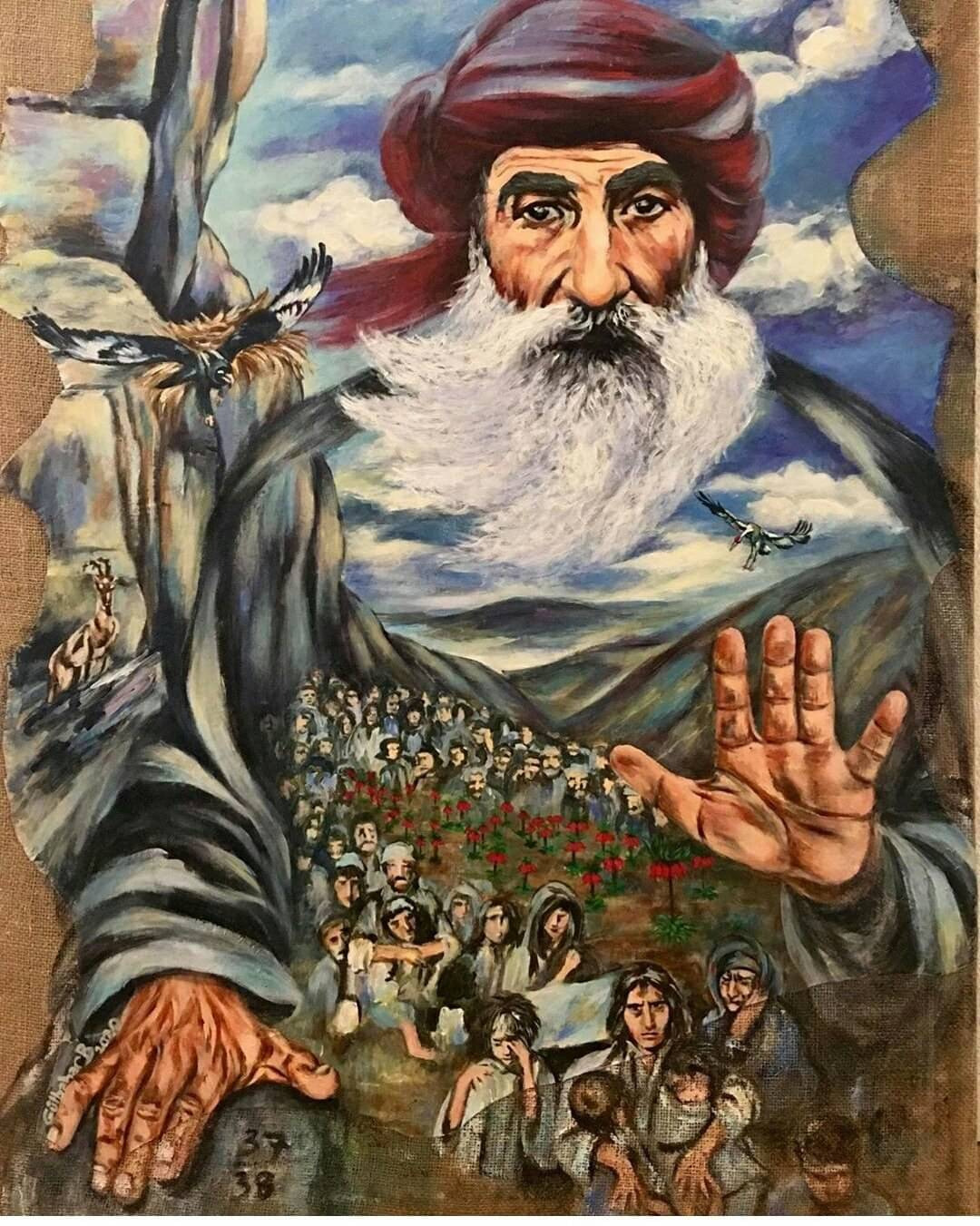
Amid these machinations, the Kurdish population stands at the crossroads of history. To counteract colonial ambitions and secure their future, Kurdistan requires a robust force of 300,000 volunteers and Peshmerga fighters. Only through unified resistance can they expel colonial forces from eastern Kurdistan, reclaim autonomy, and dismantle the structures enabling exploitation by external powers.
Kurdistan’s future hinges on its ability to challenge entrenched colonial frameworks and establish a model of self-determination rooted in freedom and justice.