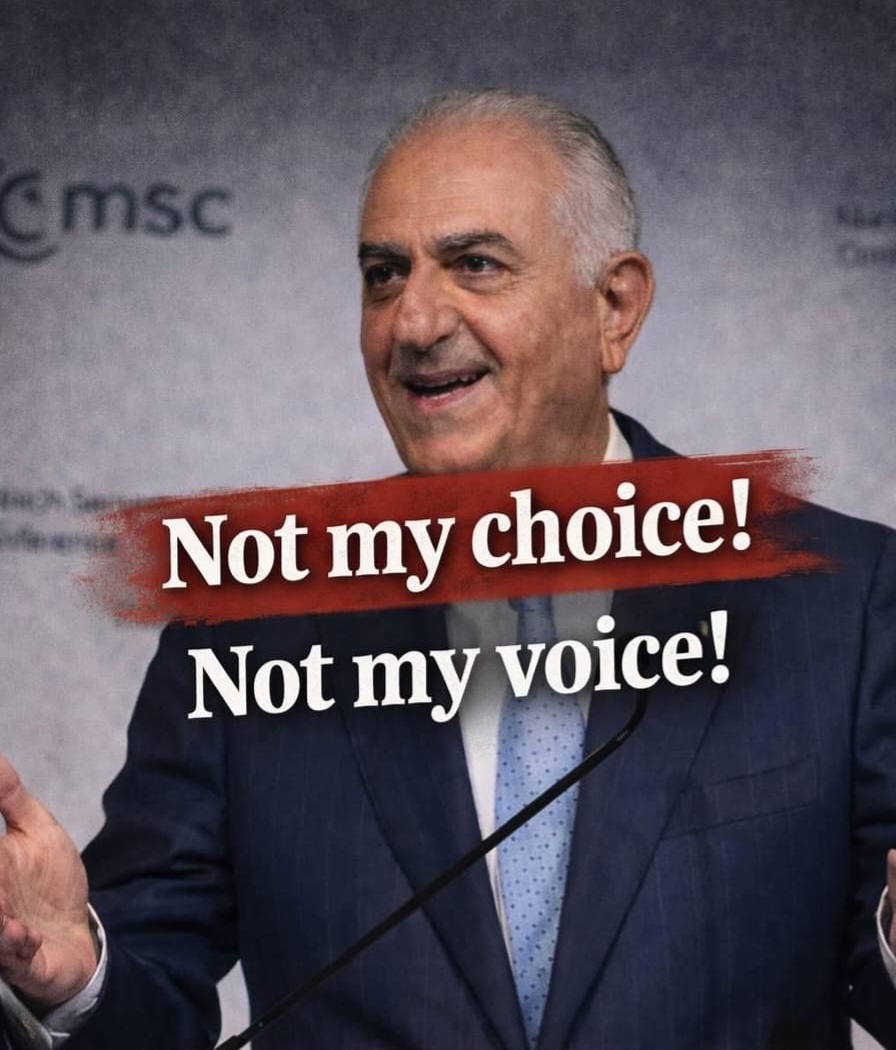
Pejvak Kokabian
In February 2023, Iran announced the discovery of what it claimed were massive lithium deposits in the Hamadan province, boasting of reserves as large as 8.5 million tons. Dubbed “white gold,” lithium holds immense strategic value in global energy transitions, particularly for electric vehicle batteries. British media outlets, alongside other international news platforms, amplified this announcement, sometimes with skepticism. However, the subsequent Iranian admission that these reserves may amount to just 680 tons—less than 2% of the world’s annual lithium production—raises questions about the motives behind the overblown reporting. This article argues that British media exaggerated Iran’s lithium narrative to create a smokescreen benefiting the current Iranian regime while sustaining the economic and strategic exploitation of the country by British powers and their allies.
Overhyped Lithium Discoveries
British media outlets seized on Iran’s lithium announcement despite the lack of reliable data or independent verification. This hype conveniently obscured the real picture. As Iranian officials later clarified, the grade and quantity of lithium in these mines fall far short of economic viability (Zali, 2023). By amplifying Iran’s initial grand claims, British media ensured that the focus remained on Iran’s supposed “untapped potential” rather than its failing mining infrastructure and crippling sanctions. This narrative serves British interests by painting Iran as a resource-rich nation in need of external investment or “stabilization,” ultimately legitimizing continued political interference under the guise of development (Smith, 2023).
Supporting the Iranian Regime
The British media’s enthusiasm for Iran’s lithium discovery aligns suspiciously with the regime’s need to distract its domestic audience from growing unrest and economic stagnation. Amid protests and rising international pressure, showcasing Iran’s resources is a tactic to boost nationalistic sentiments and maintain control (PressTV, 2023). British coverage plays into this, bolstering the illusion of Iran as a self-sufficient powerhouse on the cusp of major breakthroughs. By legitimizing these claims, Britain indirectly props up the Iranian regime, whose strategic value as a controlled yet sanctioned state benefits British geopolitical maneuvers in the region (Tehran Times, 2023).
Historical Exploitation of Iran
The overhyping of Iran’s lithium resources fits into a broader pattern of British exploitation of Iranian resources, a strategy rooted in history. For over a century, British interests have extracted wealth from Iran under inequitable conditions, often using subterfuge or force. The Anglo-Persian Oil Company (later BP) famously secured a highly exploitative deal in the early 20th century, retaining a majority share of Iranian oil profits while the Iranian government and people received minimal benefits. This historical exploitation created significant economic and political instability, leading to British interference in Iran’s domestic affairs, such as their role in orchestrating the 1953 coup to overthrow Prime Minister Mohammad Mossadegh after he attempted to nationalize Iran’s oil industry.
The parallels with the lithium discovery are striking. Just as oil was framed as a critical global resource that required British expertise for extraction and export, lithium is now being positioned as the next frontier of energy. However, Iran’s lithium resources, like its oil, are unlikely to be exploited under fair terms. The limitations imposed by sanctions and outdated mining infrastructure mean that foreign powers, particularly Britain, are poised to swoop in under the guise of “help.” Such an arrangement would once again funnel wealth out of Iran while leaving its population to deal with the environmental and economic consequences of resource extraction (Mining.com, 2023).
Additionally, Britain’s longstanding use of media as a tool of influence in Iran cannot be overlooked. From the early 20th century, British propaganda shaped global narratives about Iran, often portraying it as a backward nation incapable of managing its own resources. The lithium narrative perpetuates this idea, suggesting that Iran requires external intervention to realize its potential. By inflating Iran’s lithium reserves, British media creates a mirage of wealth while setting the stage for continued interference in the country’s affairs.
Conclusion
The British media’s exaggerated portrayal of Iran’s lithium discovery is not a mere journalistic oversight but a calculated move rooted in a long history of exploitation. By amplifying Iran’s dubious claims, British powers ensure their continued economic and strategic influence in the region while facilitating the controlled exploitation of Iranian resources. From oil to lithium, Iran’s natural wealth has long been a target of British manipulation, using inflated narratives to justify political interference and economic dependency. This overhyped lithium narrative is yet another chapter in a story of resource exploitation cloaked under the pretense of global energy interests and economic development.
References
- Mining.com. (2023). Iran’s lithium discovery and potential implications to the global battery and electric mobility ecosystem. Retrieved from https://www.mining.com/irans-lithium-discovery-and-potential-implications-to-the-global-battery-and-electric-mobility-ecosystem/
- PressTV. (2023). Huge lithium mining discovery: Geopolitical significance. Retrieved from https://www.presstv.ir/Detail/2023/06/12/705150/Iran-lithium-mining-geopoligical-significance
- Smith, A. (2023). Just to explain a detail about that lithium discovery in Iran. Adam Smith Institute. Retrieved from https://www.adamsmith.org/blog/just-to-explain-a-detail-about-that-lithium-discovery-in-iran
- Tehran Times. (2023). Huge white gold discovery draws spotlight on Iran’s mining. Retrieved from https://tehrantimes.com/news/482759/Huge-white-gold-discovery-draws-spotlight-on-Iran-s-mining
- Zali, M. (2023). Discovery of huge lithium resources in Iran: From truth to media exaggeration. LinkedIn. Retrieved from https://www.linkedin.com/pulse/discovery-huge-lithium-resources-iran-from-truth-media-mohammad-zali